Acne: The Real Causes and the Treatments That Actually Work — Amman, Jordan
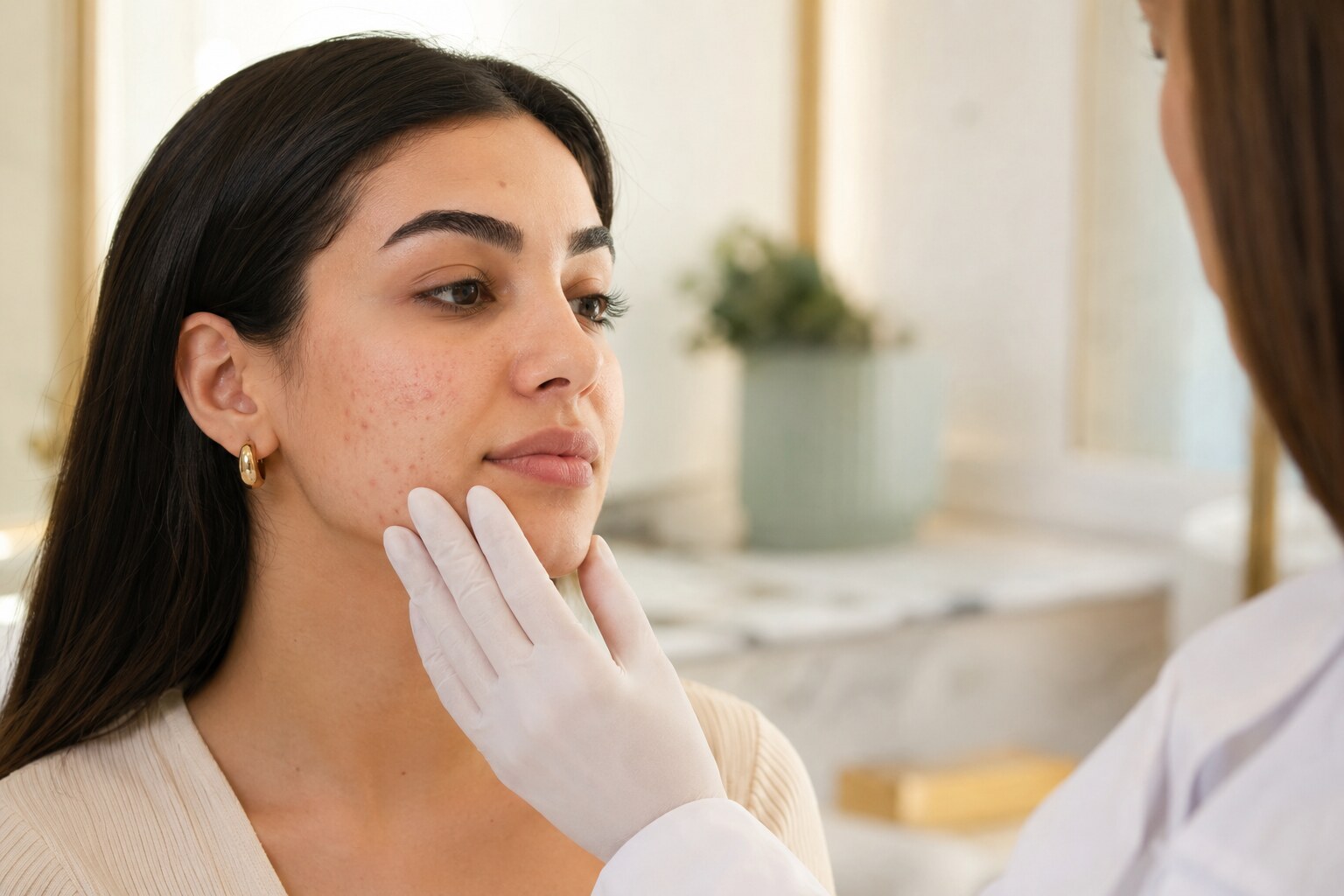
Acne is not "a teenage phase that passes," as people say — it's one of the most common conditions we see in women aged 25 to 40. The problem is that most patients reach us after years of home remedies and random products that made things worse. In this article I explain honestly: why acne really appears, which treatments work — and which don't.
What really causes acne?
Acne forms when four main factors interact inside the skin's pores:
- Excess sebum (oil) production: usually hormonally driven — which explains the link to menstrual cycles or PCOS.
- Clogged pores: dead skin cells block the pore opening and trap oil inside.
- C. acnes bacteria: multiply in the closed, oily environment and trigger inflammation.
- Inflammation: responsible for the redness and pain — and for scarring later if untreated.
Contributing factors include genetics, stress, heavy (comedogenic) cosmetics, and some medications. Diet's role is weaker than commonly believed — though recent research links high-sugar foods and skim dairy to flare-ups in some people.
Why does acne persist after the teenage years?
Adult acne behaves differently: it concentrates in the lower third of the face (jawline and chin) and relates more to hormonal fluctuation and stress than to excess oil. That's why harsh teenage products fail — they dry the skin and worsen inflammation. Correctly diagnosing your acne type and pattern is the first step of any successful treatment.
The treatments that actually work
1. Topical treatments
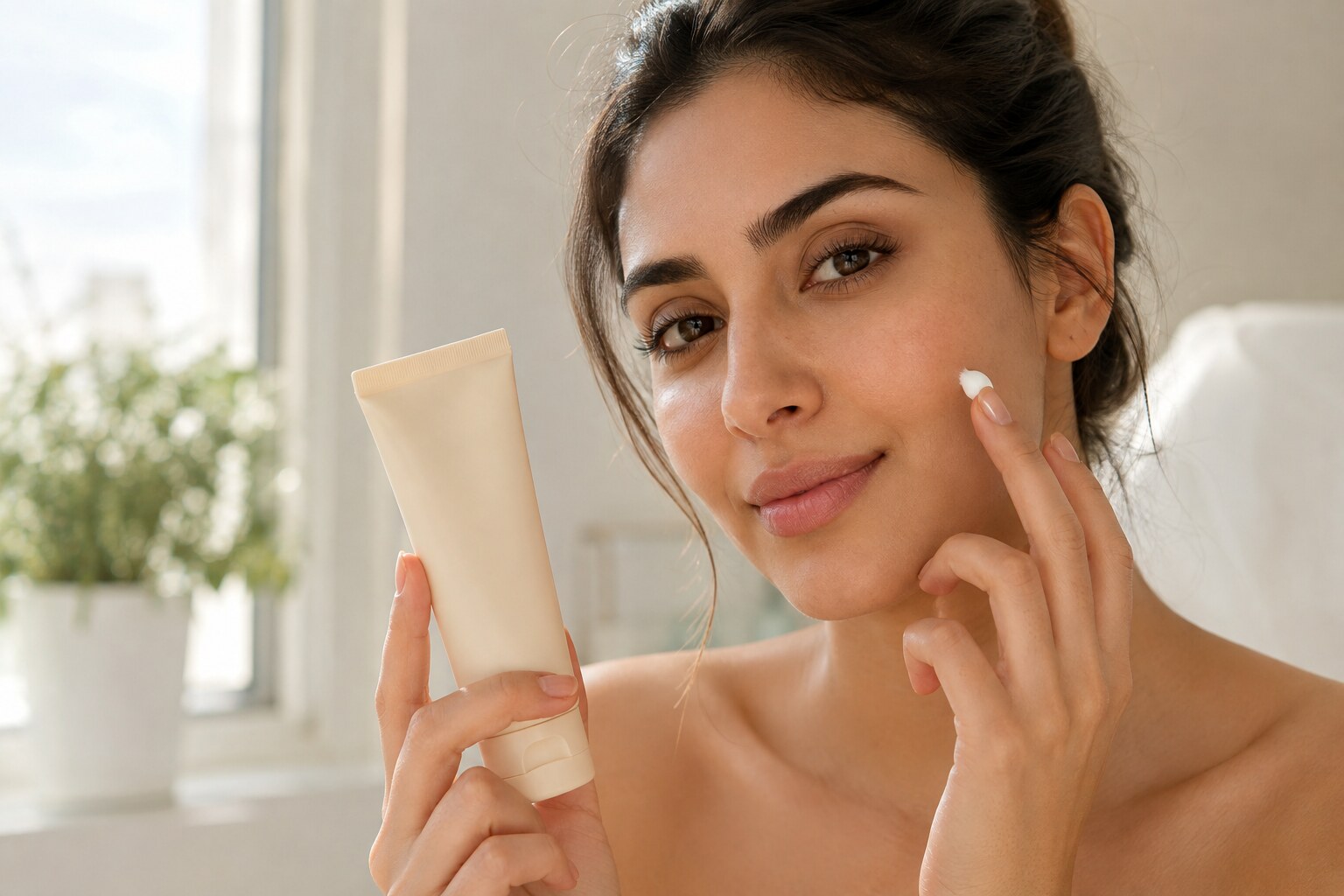
Topical retinoids are the cornerstone of modern acne care: they regulate skin cell turnover and prevent clogged pores. Benzoyl peroxide is added to fight bacteria, or azelaic acid for cases with pigmentation. The key: gradual introduction and patience — results take 8 to 12 weeks.
2. Oral medication
In moderate-to-severe cases we may use a limited course of antibiotics, hormonal therapy for hormone-related cases, or isotretinoin for severe resistant acne — all requiring close medical supervision and regular follow-up, never self-prescribed from a pharmacy.
3. In-clinic sessions
Medical chemical peels accelerate results and improve post-acne marks, and modern procedures treat scarring once active breakouts are controlled. Order matters: we treat the inflammation first, then the marks and scars.
Common mistakes that make acne worse
- Squeezing pimples — the number-one cause of permanent scars and dark marks.
- Over-washing the face more than twice daily — it triggers more oil.
- Trying a new product every two weeks without giving treatment enough time.
- Skipping moisturizer and sunscreen because your skin is "oily."
- Harsh home remedies (lemon, toothpaste, cinnamon) — they burn the skin and don't treat the cause.
When should you see a dermatologist?
Visit the clinic if your acne is inflamed and painful, leaves marks or scars, hasn't improved after 3 months of consistent care, or comes with hormonal symptoms (excess hair, irregular cycles). Early treatment prevents scarring — and treating scars later is harder and longer than treating the acne itself.
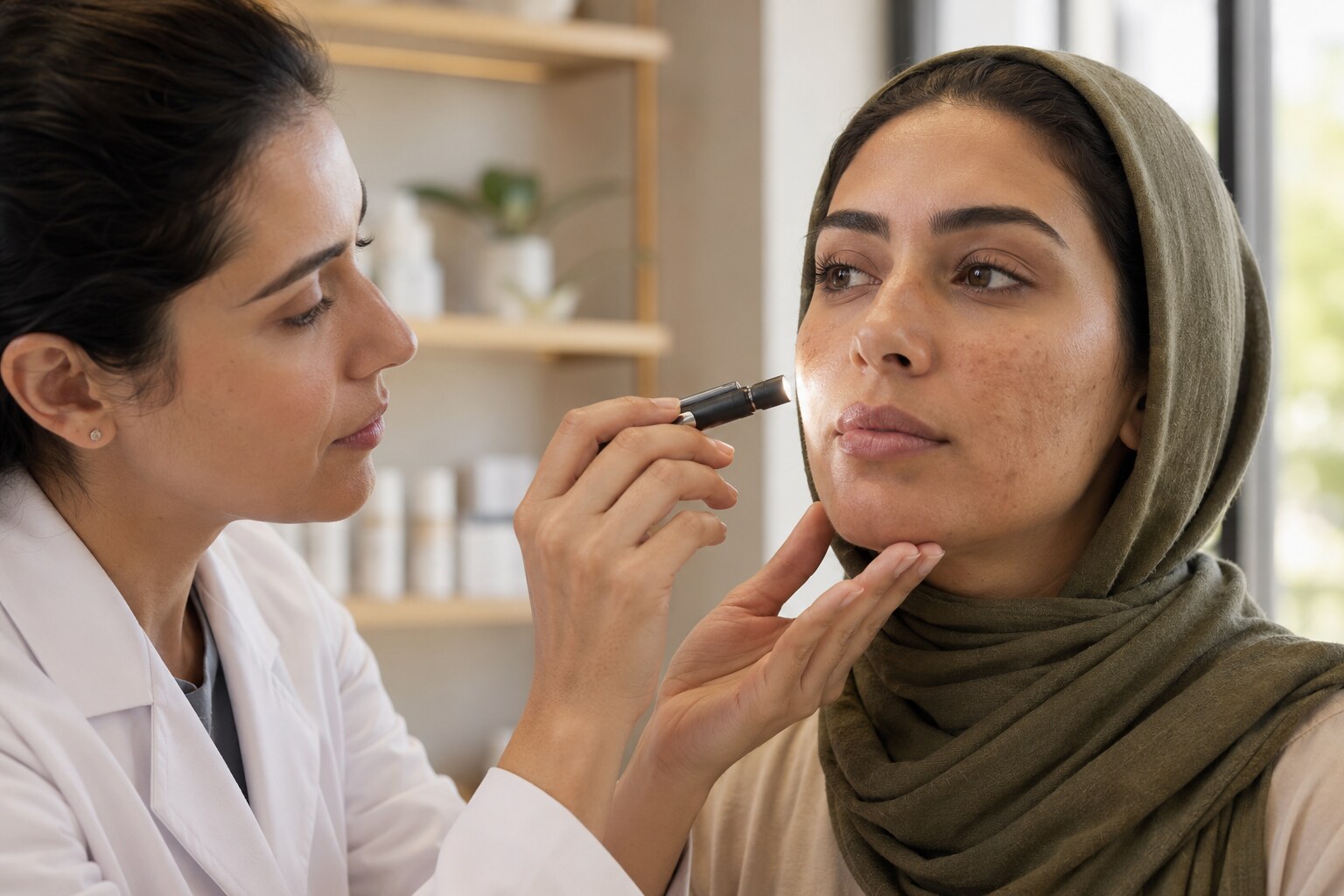
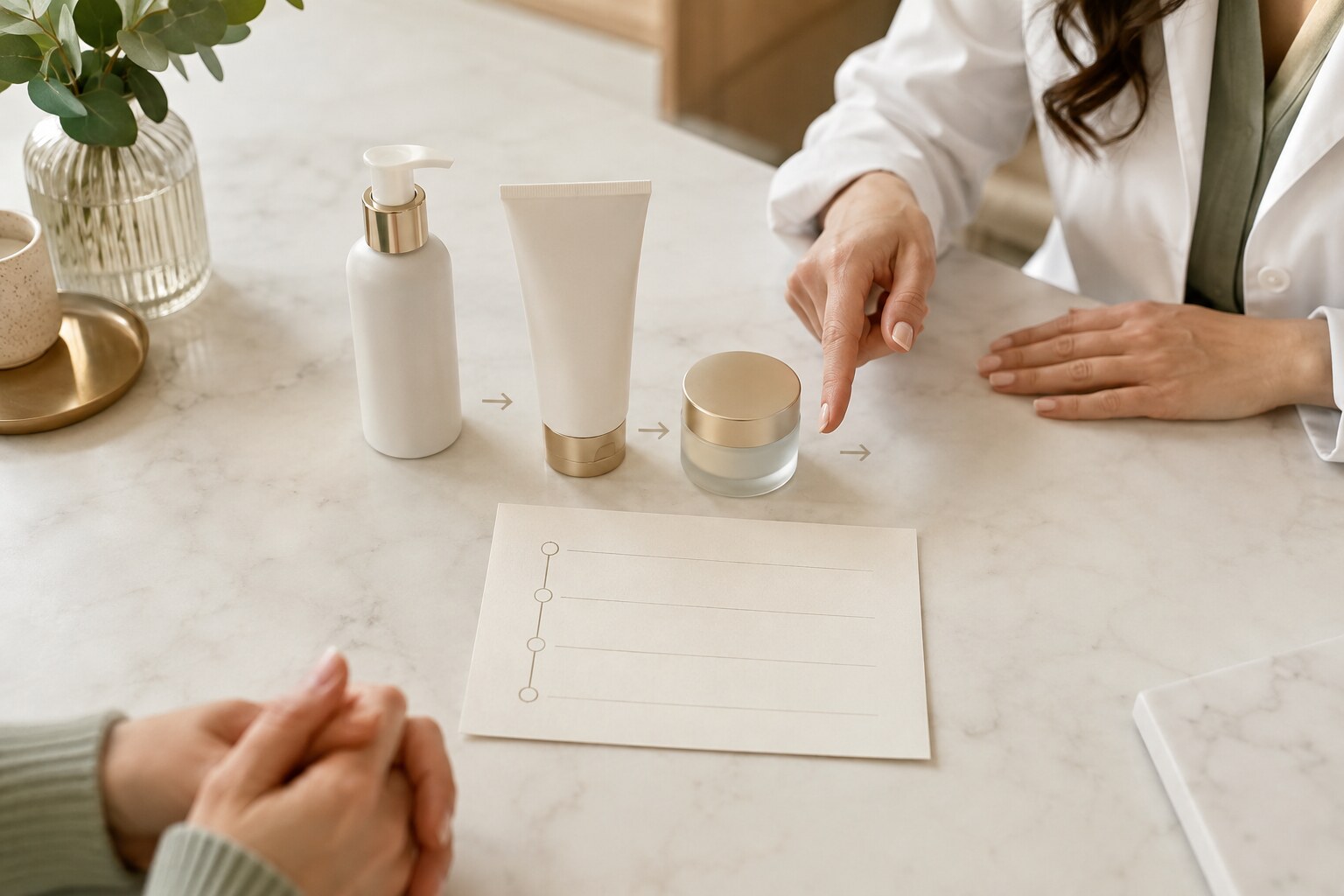
At our clinic in Jabal Al-Hussein, Amman, we always begin with a careful assessment of your acne type and pattern, then build a realistic plan with clear stages and follow your progress step by step. No magic promises — just sound medicine, a little patience, and results that last.
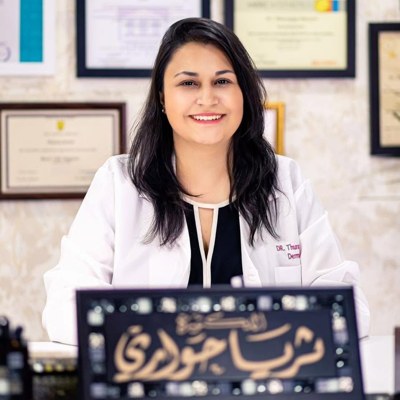
Dr. Thuraya Hawari
Dermatology, Medical Aesthetics & Laser Specialist — Jordanian Board in Dermatology & Venereology. Al-Kindi Clinics 2, Jabal Al-Hussein, Amman.